Architecture is the cornerstone of our built environment, a ubiquitous presence that affects us all, shaping the spaces where we live, work, and play. It is, as Reese Rowland, a distinguished architect, aptly puts it, “the only art form that’s functional.” This functional art form is the stage set for our lives, a backdrop that influences our experiences and interactions.

What Is Architecture?
Architecture transcends mere construction. It is the thoughtful integration of form and function, a blend of aesthetics and practicality that frames our daily existence. Buildings, with their varied designs, not only serve functional needs but also reflect the cultural and historical contexts of their creation. Architecture, in essence, is an enduring dialogue between society and its built environment.
Iconic Architecture
Throughout history, iconic architectural landmarks have not only defined cities but also influenced societal trends and cultural identity. Consider the Parthenon in Athens, a symbol of ancient Greek ideals of beauty and democracy. Moving forward in time, the Gothic cathedrals of Europe, such as Notre-Dame in Paris, stand as testaments to the medieval intertwining of faith and community.
In the 20th century, the Sydney Opera House, with its distinctive sail-like design, emerged as an icon of modernist architecture and a symbol of Australia’s creative identity. Similarly, the Guggenheim Museum in New York, designed by Frank Lloyd Wright, revolutionized museum architecture with its organic, spiraling form that enhances the visitor’s experience of art.
Mid-Century Modern Architecture
Mid-century modern architecture stands as a remarkable chapter in this dialogue, characterized by its sleek, sexy lines and forward-thinking ethos. This style emerged as a manifestation of the future, shedding the constraints of the past. Before this era, buildings were primarily practical, functional, and economical. Mid-century modernism, however, heralded a new school of thought, deeply influenced by the Bauhaus movement.
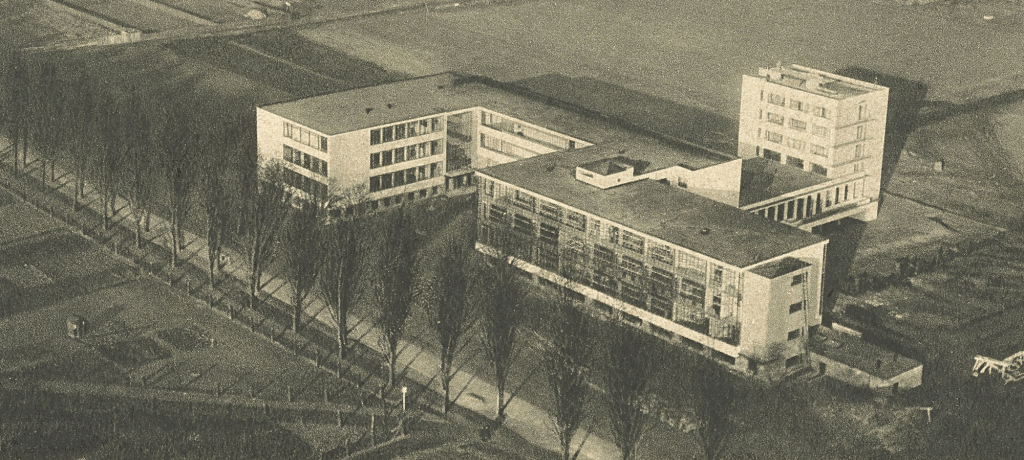
From the ornate details of Art Deco to the streamlined elegance of Art Moderne, this period marked a radical departure from traditional designs. One of its most intriguing facets is neo-expressionism, a personal favorite, which embraced bold forms and innovative structures. These buildings are far more than mere assemblages of steel and glass; they are expressions of creativity and vision, encapsulating the optimism and dynamism of their time.
Influences on Contemporary Design Trends
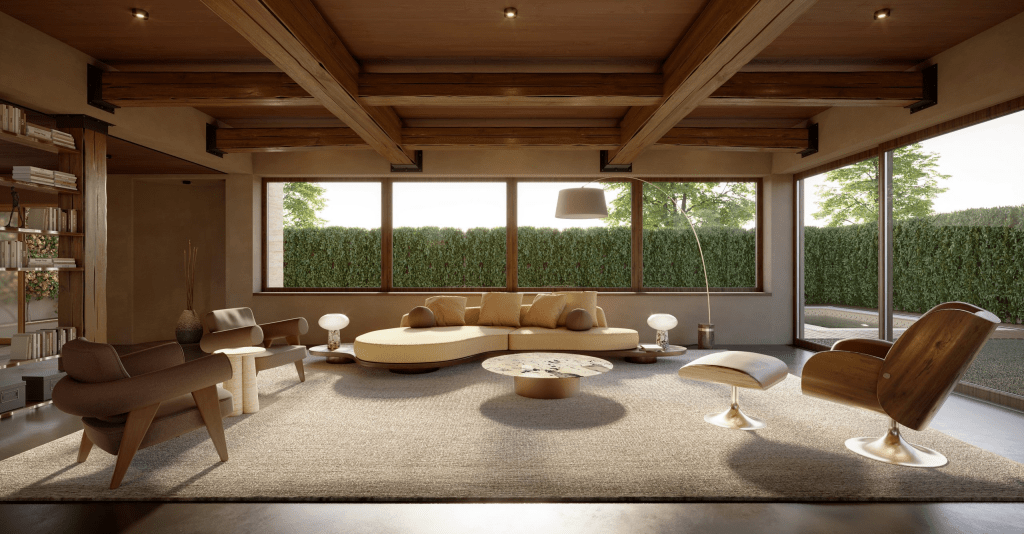
The principles of mid-century modern architecture continue to influence contemporary design. The emphasis on clean lines, open spaces, and functional beauty can be seen in today’s minimalist interiors and sustainable building practices. Contemporary architects draw inspiration from mid-century modernism’s integration with nature and use of innovative materials, ensuring that the past informs the present in meaningful ways.
Judging the Architecture
When we look back at the architecture of previous eras, our judgments should extend beyond mere aesthetics. We must consider the reasons behind its production and the meanings it held in its original context. This deeper understanding allows us to appreciate architecture not just as physical structures but as cultural artifacts that tell the story of their time.
Evaluating past architecture requires us to move beyond subjective impressions and delve into the historical and social circumstances that shaped its creation. Why was a particular style favored? What did it represent to the people of its era? By answering these questions, we can gain a richer, more nuanced appreciation of architectural history and its impact on our present.
Architecture is more than just buildings; it is the artful and functional stage set of our lives, reflecting and shaping the human experience. From the bold innovations of mid-century modernism to the enduring significance of historical structures, architecture remains a powerful testament to our evolving cultural landscape.
 Iced Black
Leave a comment